
Cat Relocation Services
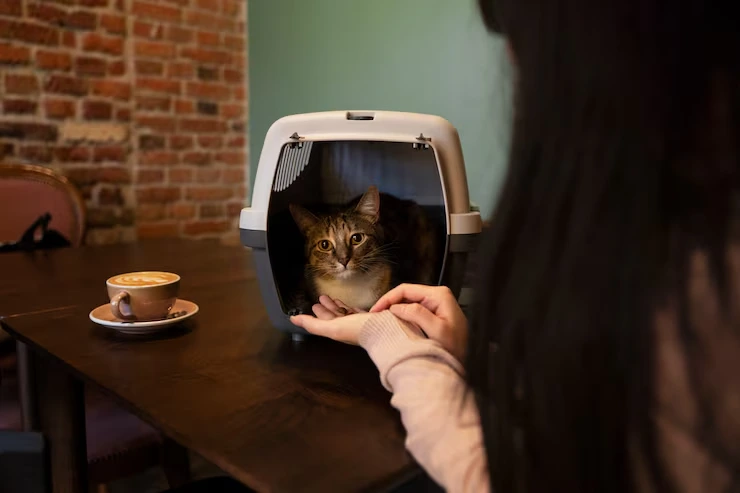
Relocating a cat is more than just transport—it’s a regulated, document-heavy process where timing, compliance, animal welfare, and border controls must all align. Our cat relocation services are designed for UK-based pet owners and international movers who cannot risk delays, refusals, or stress to their cat during relocation or moving services.
Pearl Lemon Pets supports cat relocation across the UK and worldwide through structured planning, compliance coordination, and transport oversight. We manage every operational detail to ensure lawful, humane, and predictable outcomes, whether your move is domestic or cross-border
.Cat relocation often fails when paperwork is incomplete, routes are misjudged, or carrier rules are misunderstood. Our services are designed for families and individuals relocating domestically within the UK, professionals and expatriates moving internationally, owners of high-value or breed-specific cats with transport restrictions, and businesses relocating employees with pets.By managing documentation sequencing, transport suitability, and welfare considerations together, we provide a relocation service that ensures safe, predictable movement for your cat.
Schedule a consultation to review your relocation requirements and timelines.
Our Services
Our cat relocation services cover regulatory compliance, transport planning, carrier coordination, and destination clearance. Each service is structured to reduce refusal risk, quarantine exposure, and transit stress while meeting UK and international regulations.
Carrier coordination is handled with attention to breed type, crate sizing, seasonal transport limits, and aircraft suitability, all of which affect acceptance at check-in and during transit.
Pre-Relocation Compliance Assessment
- Microchip verification and ISO compatibility checks
- Rabies vaccination validation against travel timelines
- Blood titre testing coordination where required
- Review of carrier and breed-specific restrictions


UK Domestic Cat Moving Services
- Route planning with rest and welfare considerations
- DEFRA-compliant transport scheduling
- Climate and seasonal risk planning
- Breed-size carrier requirements
International Cat Relocation Services
- Export health certificate preparation
- Customs and border inspection coordination
- Airline and cargo agent documentation
- Country-specific animal import frameworks

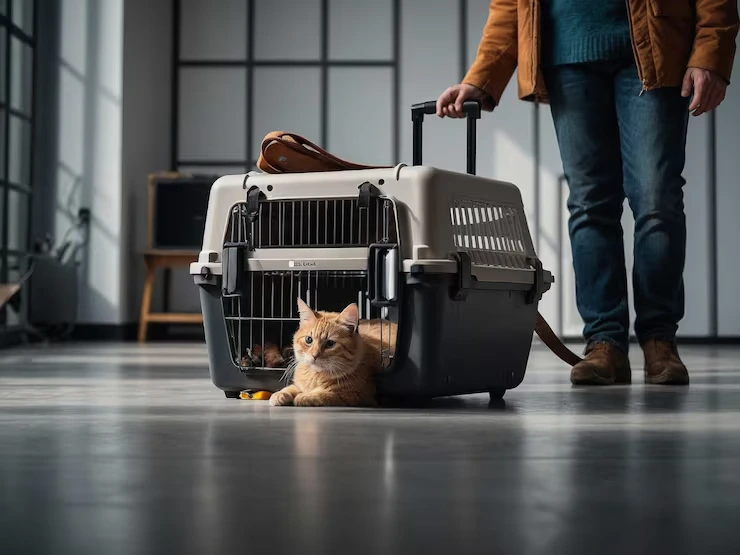
Airline and Carrier Coordination
- Airline suitability review based on cat profile
- Cargo versus accompanied baggage assessment
- Crate compliance verification under IATA Live Animals Regulations
- Transit and layover risk management
Documentation and Border Clearance Management
- DEFRA and APHA documentation sequencing
- Destination-country import permits
- Customs pre-clearance coordination
- Border inspection readiness

Quarantine Risk Reduction Planning
- Country eligibility analysis before commitment
- Documentation timing to avoid quarantine triggers
- Approved facility coordination where unavoidable
Relocation for Breeds with Transport Restrictions
- Breed-specific airline acceptance
- Crate sizing and ventilation standards
- Seasonal and temperature embargoes
- Insurance and liability constraints

End-to-End Cat Relocation Project Oversight
Complex relocations require coordination across veterinarians, carriers, border agents, and owners.
Our services include:
Timeline management from preparation to arrival
Stakeholder coordination across jurisdictions
Risk checkpoints at each relocation stage
Ongoing status reporting
This structured approach reduces missed deadlines and fragmented responsibility.
Why Choose Us
Cat relocation is governed by regulation, logistics, and welfare standards—not marketing promises. Our service operates on structured planning, documented compliance, and risk control.
Key strengths:
- Familiarity with UK DEFRA and APHA frameworks
- Structured relocation checklists based on destination
- Carrier and airline rule interpretation
- Cross-border documentation sequencing
Industry Statistics That Matter
- Over 60% of international cat relocation delays result from documentation errors
- Airline embargoes affect live-animal transport on more than 40% of long-haul routes seasonally
- Quarantine costs can exceed £3,000 when triggered by compliance gaps
Schedule a consultation to assess risk factors before committing to relocation.

Start Your Cat Relocation With Clarity
Cat relocation succeeds when compliance, transport, and welfare are addressed as a single system. Delays, refusals, and quarantine often result from fragmented planning or incorrect assumptions.
We manage cat relocation as a regulated moving service with defined stages, documentation controls, and carrier coordination.
Book a call to review your cat relocation requirements and timelines.
FAQs
What veterinary authority issues the UK export health certificate?
Issued by an Official Veterinarian (OV) authorised by the Animal and Plant Health Agency (APHA). The OV ensures all certificates meet destination-country templates and validity requirements, including correct microchip verification, vaccination records, and health status.
How strict are rabies vaccination timing rules for relocation?
Rabies vaccinations must follow microchipping and comply with minimum waiting periods. Administering the vaccine too early or too late can invalidate entry eligibility. Some countries require the vaccine to be at least 21–30 days prior to travel and verified with official documentation.
When is a rabies blood titre test mandatory?
A rabies blood titre test is mandatory for cats entering certain non-EU countries (e.g., UAE, Australia, New Zealand) and high-control destinations. The test must confirm antibody levels meet internationally recognised thresholds, and there is often a mandatory waiting period between testing and relocation.
Do airlines apply different rules than border authorities?
Yes. Airlines have their own live-animal transport policies, including breed acceptance, crate specifications, seasonal or temperature restrictions, and animal fitness assessments. These rules can be stricter than border authority requirements and affect booking approval and transit feasibility.
What crate standards apply for international cat relocation?
Crates must comply with IATA Live Animals Regulations (LAR). This includes using a crate with correct dimensions based on the cat’s size and breed, along with adequate ventilation and protection against temperature fluctuations during transport.