
Exotic Pet Relocation Services
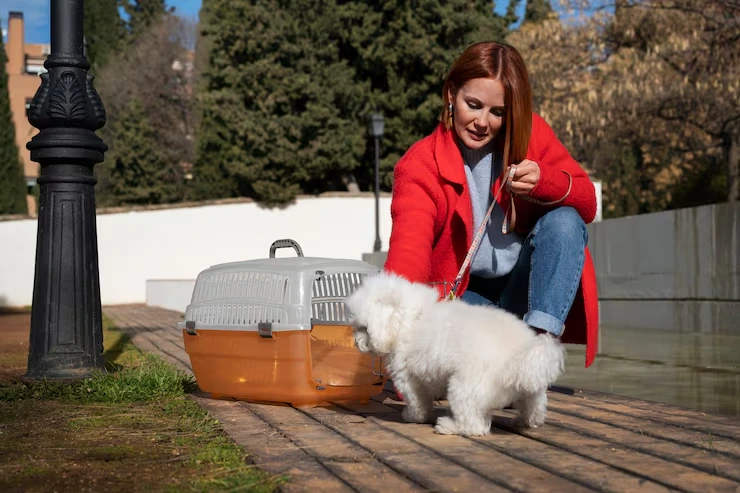
Relocating exotic animals is not comparable to standard pet transport. Exotic pet relocation services require regulatory awareness, welfare planning, and controlled logistics that account for species-specific risks, licensing, and border compliance.
Pearl Lemon Pets provides specialist exotic pet relocation services across the UK and internationally, supporting lawful, welfare-led transport for reptiles, birds, amphibians, invertebrates, small mammals, and other non-domestic species.
Our work focuses on compliant movement, controlled handling, and correct documentation so owners avoid refusals, delays, or enforcement issues.
Whether you require domestic pet shifting within the UK or cross-border transport services for exotic species, we manage the process with a focus on legality, animal welfare, and practical execution.
Schedule a consultation to assess your relocation requirements.
Our Services
Exotic animal transport introduces challenges that standard pet movers are not equipped to handle. Our services are structured around species classification, destination requirements, and transit conditions to reduce risk throughout the relocation process.
Exotic Animal Transport Planning and Risk Assessment
Each relocation begins with a species-led assessment. We review the animal’s biological needs, stress thresholds, enclosure requirements, and legal classification under UK and international regulations.
This includes:
- Identification of controlled, restricted, or licensable species
- Risk evaluation for temperature, humidity, noise, and handling
- Transport duration analysis to minimise welfare impact
This planning phase reduces failed movements and welfare incidents, particularly for reptiles, birds, and sensitive invertebrate species.
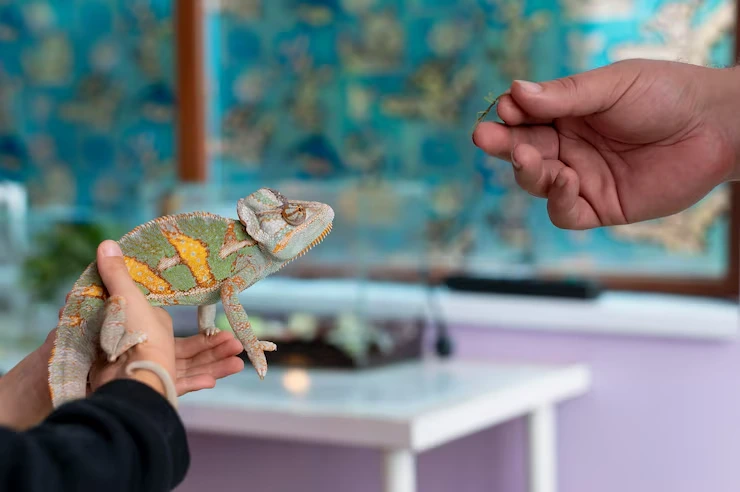
UK Domestic Exotic Pet Transport Services
Domestic exotic pet transport within the UK still requires careful compliance, particularly for species covered by local authority licensing or Dangerous Wild Animals regulations.
Our UK transport services include:
- DEFRA-aligned transport methods
- Secure containment systems suitable for exotic animals
- Coordination with local councils where movement notifications apply
This service is used by private keepers, breeders, rescues, and zoological facilities relocating animals between UK locations.
International Exotic Pet Relocation and Export Support
International exotic pet relocation requires strict adherence to import and export frameworks. Errors often lead to border refusal, seizure, or enforced quarantine.
We manage:
- Export documentation preparation
- Import permit coordination with destination authorities
- Liaison with border inspection posts and carriers
This service is essential for exotic pet owners relocating abroad or organisations transferring animals between countries.

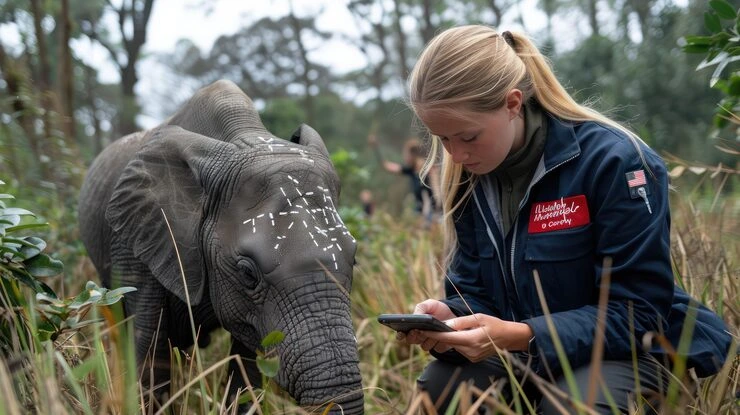
CITES and Wildlife Trade Compliance Handling
Many exotic species are regulated under CITES or protected by national wildlife trade legislation. Our CITES and wildlife trade compliance handling focuses on confirming whether an animal falls under controlled movement rules before any transport is arranged.
We assess the species, origin, and ownership history to determine applicable restrictions and documentation requirements. This reduces the likelihood of permit rejection or post-transport challenges.
Our team supports:
- CITES Appendix I, II, and III assessments to establish movement eligibility and permit type
- Preparation and submission of permit applications, including supporting statements that reflect lawful acquisition and ownership
- Alignment of movement records with existing licences, registrations, or previous import and export approvals
We also review inconsistencies between past documentation and current movement plans, which is a common cause of enforcement issues during inspection.
Specialist Crating and Containment for Exotic Species
Incorrect or unsuitable containment is one of the most common reasons exotic animal transport is refused by carriers or halted during inspection. It also increases the risk of injury, stress-related illness, or escape during transit.
This includes:
- Ventilated reptile and amphibian containers designed to maintain stable airflow, humidity, and temperature while preventing excessive movement
- Secure bird travel systems that account for perch stability, feather protection, and noise reduction during handling and transit
We also assess container labelling, sealing methods, and inspection accessibility to ensure acceptance by transport providers and border authorities.

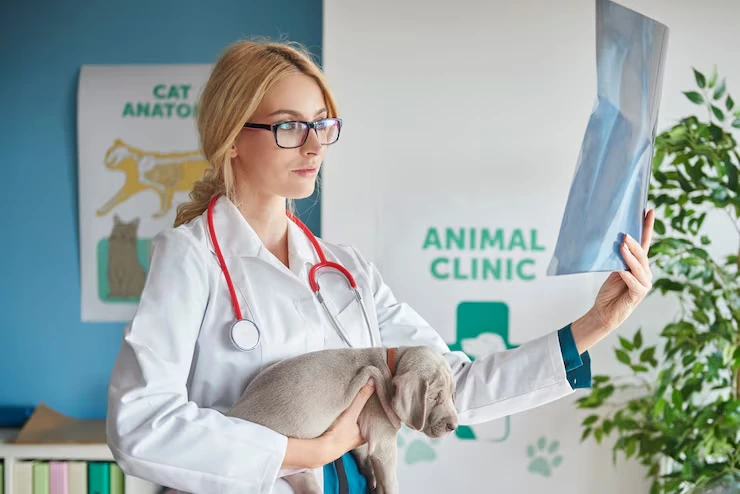
Veterinary Coordination and Health Certification
Some exotic pet relocation services require veterinary involvement, particularly for cross-border movements or regulated species.
We coordinate:
- Pre-transport health checks where required
- Veterinary certification for export
- Alignment between health documentation and transport schedules
This prevents document mismatches that can delay or cancel transport.
Quarantine and Post-Arrival Compliance Support
Certain destinations require quarantine or post-arrival reporting. Failure to prepare for this stage often results in extended holding periods and increased costs.
Our support includes:
- Quarantine requirement clarification
- Post-arrival compliance guidance
- Documentation retention planning
This ensures continuity after transport rather than unresolved obligations.
Emergency and Time-Sensitive Exotic Animal Transport
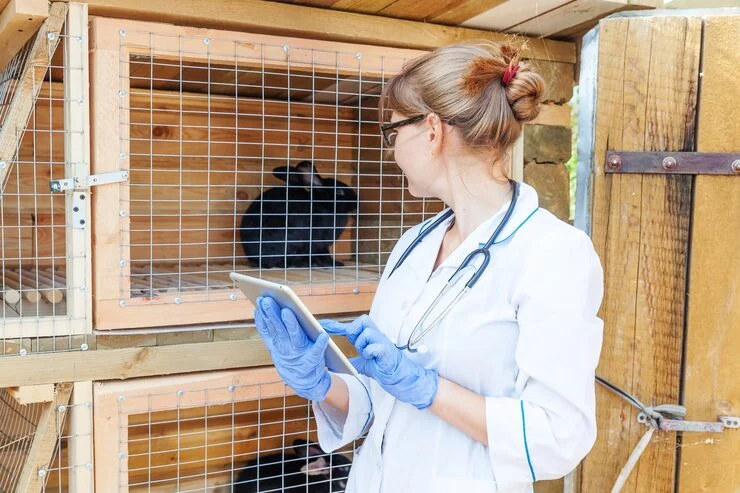
Some relocations cannot wait due to housing changes, licensing deadlines, or welfare risks. We offer priority transport services for urgent exotic pet relocation needs, subject to regulatory feasibility.
Each urgent move begins with a rapid compliance review covering permits, species-specific restrictions, carrier standards, and jurisdictional requirements. Routes, timelines, and handling protocols are adjusted to meet legal thresholds while limiting animal stress.
Where required, we coordinate with inspectors, airlines, and border officials to prevent delays caused by incomplete documentation.
Book a consultation to discuss urgent relocation timelines.
Why Work With Pearl Lemon Pets for Exotic Pet Relocation
Exotic animal movement is regulated, scrutinised, and unforgiving of errors. Our relocation services are built around compliance, documentation accuracy, and species awareness rather than generic logistics.
- Experience with non-domestic and regulated species
- Familiarity with UK, EU, and international movement frameworks
- Clear separation between standard pet movers and exotic animal transport
Industry data indicates that a significant proportion of exotic animal transport failures occur due to paperwork errors rather than transport conditions. Our approach reduces that risk by addressing compliance first, logistics second.
Schedule a consultation to review your relocation plan.

Arrange Your Exotic Pet Relocation Consultation
Exotic animal relocation requires planning, compliance, and controlled execution. Pearl Lemon Pets provides exotic pet relocation services designed for lawful movement, animal welfare, and regulatory alignment.
If you are planning domestic or international pet shifting for exotic species, arrange a consultation to review feasibility, costs, and timelines.
FAQs
Do transport rules differ by exotic species type?
Yes. Mammals, reptiles, birds, and invertebrates each fall under different welfare codes, containment standards, and transport authorisations. Requirements are assessed at species and sometimes subspecies level.
Are DEFRA or APHA approvals required for UK movements?
Certain species and movement types require approval or notification through APHA, particularly where commercial transport, imports, or endangered species are involved.
How do IATA Live Animals Regulations apply to exotic pets?
For air transport, IATA LAR sets minimum standards for containers, ventilation, temperature tolerance, and handling. Airlines may impose stricter rules for non-domestic species.
What inspections can occur before or after transport?
Animals may be subject to pre-departure veterinary inspection, port health checks, or post-arrival examination depending on species, route, and destination authority.
Are quarantine periods mandatory for exotic animals?
Some destinations require quarantine for specific taxa or origin countries. Duration and facility standards are set by the importing authority.