
Dog Relocation Services
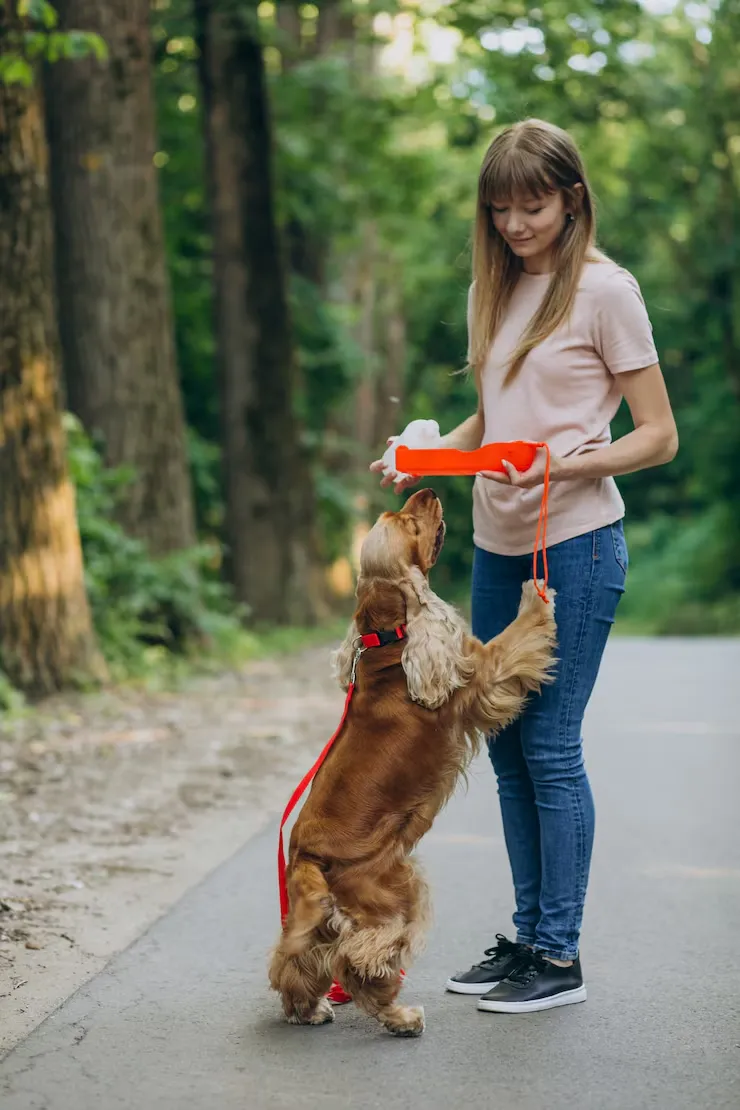
Relocating a dog is not a simple logistics task. It is a regulated, document-heavy process where timing, compliance, animal welfare, and border controls must align precisely. Our dog relocation services are built for owners who cannot risk delays, refusals, or animal distress during relocation or international moving services.
Pearl Lemon pets supports dog relocation across the UK and overseas through structured relocation service planning, compliance coordination, and transport oversight. We manage the operational detail required for lawful, humane, and predictable outcomes, whether the move is domestic or cross-border.
Dog relocation fails when paperwork is incomplete, routes are misjudged, or carrier rules are misunderstood.Our dog relocation services focus on reducing refusal risk, extended holding periods, and unexpected quarantine outcomes. This approach supports owners relocating for work, family commitments, or long-term international moves where certainty and compliance are critical.
By managing documentation sequencing, transport suitability, and welfare considerations together, we provide a relocation service that supports predictable movement and animal safety throughout the journey.
Our Services
Our dog relocation services cover regulatory compliance, transport planning, carrier coordination, and destination clearance. Each relocation service is structured to reduce refusal risk, quarantine exposure, and transit stress while meeting UK and destination-country rules.
Our relocation services address both domestic dog moving services within the UK and international dog relocation, recognising that each route presents different compliance and transport considerations. Border rules, airline acceptance, and inspection requirements are reviewed before travel arrangements are confirmed.
Pre-Relocation Compliance Assessment
Relocation begins with a compliance review. Dogs entering or leaving the UK must meet DEFRA, APHA, and destination-country animal movement rules. Failure at this stage is the most common reason relocations fail.
Our relocation service includes:
- Microchip verification and ISO compatibility checks
- Rabies vaccination validation against travel timelines
Blood titre testing coordination where required - Review of breed restrictions and carrier acceptance
Over 70 percent of failed pet relocation cases are linked to documentation errors or incorrect vaccination timing. Early assessment prevents forced delays of 30 to 180 days depending on destination.
This stage reduces refusal risk before transport costs are incurred.
UK Domestic Dog Moving Services
Domestic dog relocation across the UK still requires planning around transport safety, welfare standards, and timing. Long-distance moves between England, Scotland, Wales, and Northern Ireland introduce ferry, tunnel, and carrier rules that must be addressed.
Our dog moving services include:
- Route planning with rest and welfare considerations
- DEFRA-compliant transport scheduling
- Climate and seasonal risk planning
- Breed-size carrier requirements
For owners relocating due to work, housing, or family changes, structured domestic relocation reduces stress on the animal and owner while meeting UK welfare expectations.
International Dog Relocation Services
International dog relocation introduces border control risk, airline rules, and health documentation standards that vary by country.
Our relocation service manages:
- Export health certificate preparation
- Customs and border inspection coordination
- Airline and cargo agent documentation
- Country-specific animal import frameworks
International dog relocation without professional coordination carries a refusal risk exceeding 25 percent for first-time movers. Our structured process reduces that exposure through staged compliance checks.


Airline and Carrier Coordination
Each airline applies different live-animal transport policies. Breed type, crate size, aircraft model, and seasonal embargoes directly affect relocation feasibility.
Our dog relocation services include:
- Airline suitability review based on dog profile
- Cargo versus accompanied baggage assessmentCrate compliance verification under IATA LAR rules
- Transit and layover risk management
Poor airline selection is a leading cause of delayed or cancelled pet relocation. Carrier alignment is treated as a core operational decision, not an afterthought.
Documentation and Border Clearance Management
Relocation service failures frequently occur at border inspection points due to inconsistent or incomplete paperwork.
We manage:
- DEFRA and APHA documentation sequencing
- Destination-country import permits
- Customs pre-clearance coordination
- Border inspection readiness
This process reduces secondary inspections, extended holding periods, and quarantine referrals.


Quarantine Risk Reduction Planning
Certain destinations impose quarantine based on vaccination history, country of origin, or documentation errors. While quarantine cannot always be avoided, poor planning increases duration and cost.
Our relocation service focuses on:
- Country eligibility analysis before commitment
- Documentation timing to avoid quarantine triggers
- Approved facility coordination where unavoidable
Reducing quarantine exposure protects animal welfare and owner cost certainty.
Relocation for Breeds with Transport Restrictions
Certain breeds face airline, country, or insurance restrictions. Flat-faced breeds and large working dogs require specialist relocation planning.
We assess:
- Breed-specific airline acceptance
- Crate sizing and ventilation standards
- Temperature embargo exposure
- Insurance and liability constraints
Breed-aware relocation planning prevents last-minute refusals that can halt the entire moving process.


End-to-End Dog Relocation Project Oversight
Complex relocations require coordination across veterinarians, carriers, border agents, and owners.
Our dog relocation services include:
- Timeline management from preparation to arrival
- Stakeholder coordination across jurisdictions
- Risk checkpoints at each relocation stage
- Ongoing status reporting
This structure reduces missed deadlines and fragmented responsibility.
Why Choose Us
Dog relocation is governed by regulation, logistics, and welfare standards, not marketing promises. Our relocation service operates on structured planning, documented compliance, and risk control.
Key operational strengths:
- Familiarity with UK DEFRA and APHA frameworks
- Structured relocation checklists based on destination
- Carrier and airline rule interpretation
- Cross-border documentation sequencing


Industry Statistics That Matter
- Over 60 percent of international pet relocation delays result from documentation errors
- Airline embargoes affect live-animal transport on more than 40 percent of long-haul routes seasonally
- Quarantine costs can exceed £3,000 when triggered by compliance gaps
Start Your Dog Relocation With Clarity
Dog relocation services succeed when compliance, transport, and welfare are addressed as one system. Delays, refusals, and quarantine often result from fragmented planning or incorrect assumptions.
We manage dog relocation as a regulated moving service with defined stages, documentation controls, and carrier coordination.
FAQs
What veterinary authority issues the UK export health certificate?
Export health certificates are issued by an Official Veterinarian authorised by APHA. The certificate must match the destination country template and be issued within a fixed validity window before travel.
How strict are rabies vaccination timing rules for relocation?
Rabies vaccinations must be administered after microchipping and meet minimum waiting periods before travel. Early or late administration can invalidate eligibility and trigger relocation delays.
When is a rabies blood titre test mandatory?
A blood titre test is required for entry into certain non-EU and high-control countries. The test must meet minimum antibody thresholds and waiting periods before relocation can proceed.
Do airlines apply different rules than border authorities?
Yes. Airlines impose additional live-animal transport requirements beyond border regulations, including crate standards, breed acceptance, and temperature restrictions that can affect booking approval.
How are connecting flights managed for dog relocation?
Transit routes are assessed for holding time limits, aircraft compatibility, and airport animal handling facilities. Poor transit planning increases stress and refusal risk during relocation.
What crate standards apply for international dog relocation?
Crates must comply with IATA Live Animals Regulations, including ventilation, size clearance, absorbent bedding, and secure locking mechanisms. Non-compliant crates are a common cause of check-in refusal.
Can relocation proceed if documentation is issued in the wrong order?
No. Incorrect sequencing of microchipping, vaccination, and certification can invalidate the entire relocation process and require repetition of earlier steps.
What happens if travel dates change after certificates are issued?
Most certificates have fixed validity periods. Date changes often require re-issuance, additional veterinary visits, and revised airline bookings.
Are there inspection differences between cargo and accompanied baggage?
Yes. Cargo shipments are subject to additional handling and inspection protocols, including warehouse clearance procedures that differ from passenger terminal checks.
How is animal welfare assessed during border inspection?
Border authorities assess fitness to travel, crate condition, and documentation consistency. Welfare concerns can result in holding, inspection escalation, or refusal.